
5 Training Priorities DoW Fire Departments Should Consider for FY27
The new fiscal year is an opportunity to look beyond mandatory training and ask a bigger question: Where does our department need to be stronger a year from now?
For Department of War Fire & Emergency Services organizations, training requirements never really stop.
Certification requirements, recurring training, emergency management responsibilities, PPE compliance, professional development, staffing challenges, and limited budgets all compete for the same resources, and the same hours in the training calendar.
As FY27 gets underway, Fire Chiefs and Training Chiefs have an opportunity to identify gaps early and build a deliberate professional development plan rather than reacting to requirements throughout the year.
At Probie Fire Training, we work with DoW fire departments and fire service professionals with one objective in mind:
Educate. Certify. Empower.
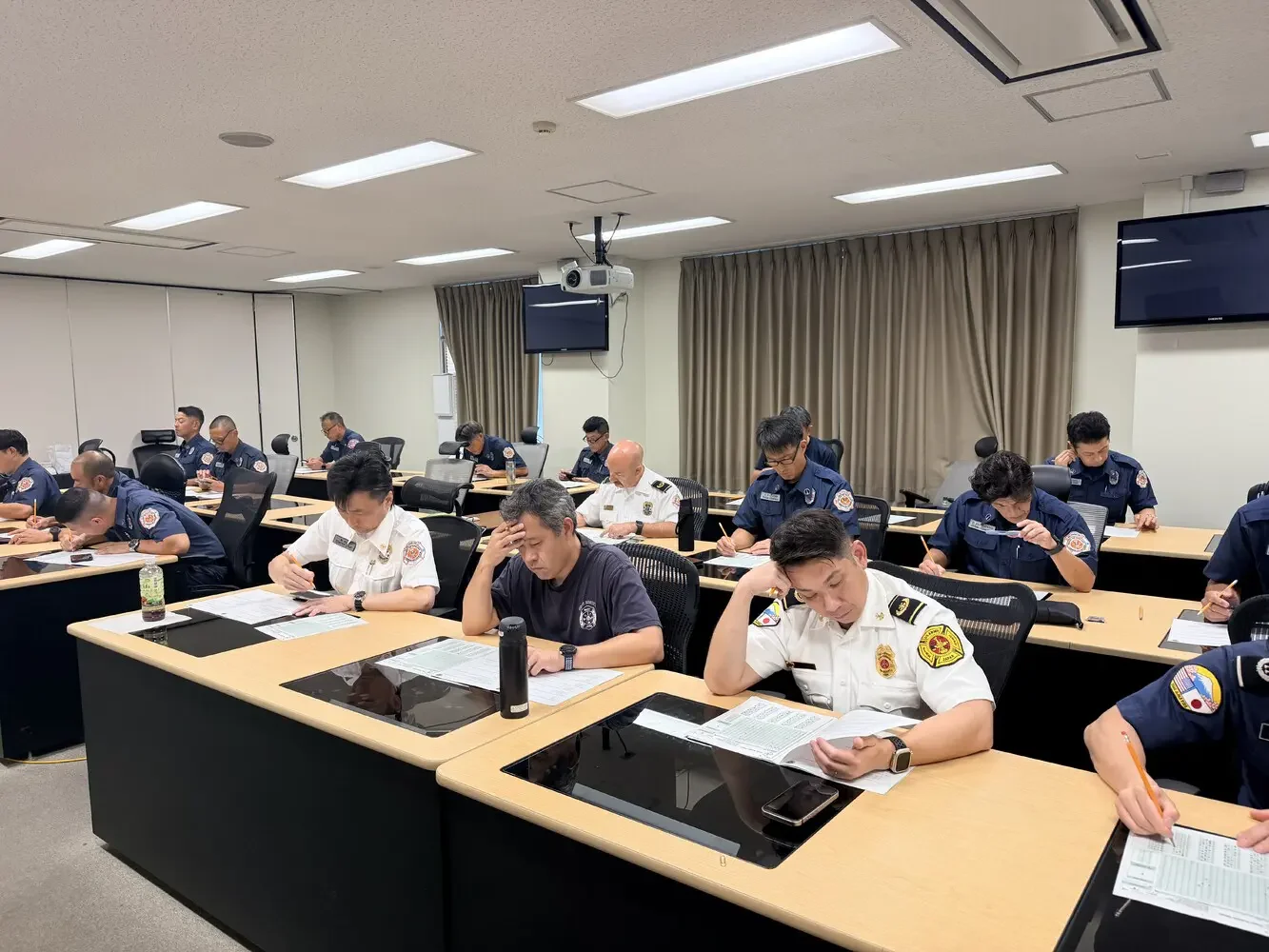
Students from an Incident Safety Officer cohort in Yokosuka Japan
Here are five areas departments should consider as they build their FY27 fire service training plans.
1. Incident Safety Officer & Health and Safety Officer Training
Safety isn't just the responsibility of the person wearing the vest on an emergency scene.
Strong safety programs require leaders who understand how to identify hazards, assess risk, recognize unsafe trends, and influence the culture of an organization.
Incident Safety Officer (ISO) training develops personnel responsible for evaluating hazards and managing safety during emergency operations.
Health and Safety Officer (HSO) training addresses the broader organizational responsibilities associated with managing and improving a department's health and safety program.
For departments looking to strengthen both operational safety and organizational risk management, developing qualified safety officers should remain a priority.
Probie provides Pro Board-certified HSO and ISO training through the Fire Department Safety Officer Association, with documentation designed to support DoW reciprocity.
2. NIMS ICS-300 and ICS-400
Most firefighters understand the fundamentals of the Incident Command System.
Managing a complex incident is different.
NIMS ICS-300 (Intermediate ICS) and ICS-400 (Advanced ICS) help prepare personnel for increasingly complex incidents involving expanding command structures, multiple agencies, unified command, and significant resource coordination.
That matters for DoW installations.
Aircraft emergencies, hazardous materials incidents, wildland fires, active-threat incidents, natural disasters, mass-casualty events, and incidents involving multiple military and civilian agencies can quickly extend beyond routine fireground command.
Developing leaders who understand NIMS, Incident Command System operations, Unified Command, and complex incident management strengthens more than the fire department; it strengthens installation emergency response capability.
3. NFPA 1850 PPE Program Management
Buying PPE is only one piece of managing a structural firefighting protective equipment program.
Departments also need systems for inspection, cleaning, repair, documentation, retirement, and overall lifecycle management.
That's where NFPA 1850 PPE Program Management becomes important.
A strong PPE program helps departments answer basic...but critical...questions:
Are inspections being completed correctly?
Are records accurate and defensible?
When should equipment be repaired or retired?
Who is responsible for each component of the program?
Does our department have a repeatable process instead of relying on institutional knowledge?
For DoW fire departments managing significant inventories of protective equipment, effective PPE lifecycle management is both an operational and leadership responsibility.
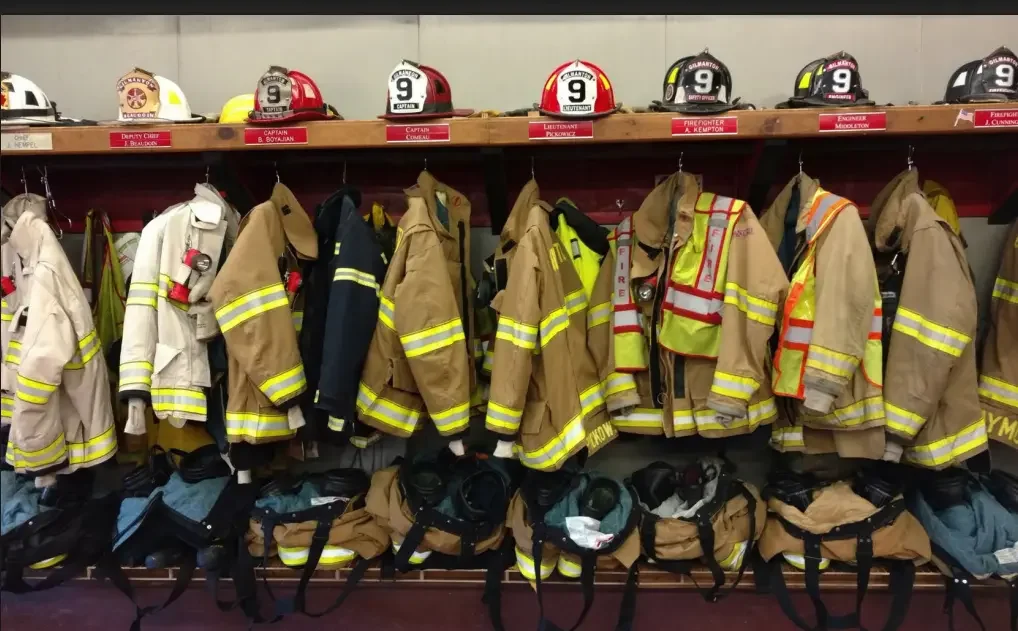
PPE Management is a critical component of an effective Fire Department
4. Strategic Financial Management for Fire Service Leaders
Fire officers are frequently promoted because they're excellent firefighters and operational leaders.
Then they're handed a budget.
Suddenly, they need to understand funding requirements, purchasing decisions, resource prioritization, lifecycle costs, budget execution, and how to communicate requirements to senior leaders.
Those aren't traditionally considered firefighting skills, but they can have an enormous impact on a department.
Strategic Financial Management helps fire service leaders connect operational requirements to resources.
The objective isn't to turn Fire Chiefs and company officers into accountants.
It's to develop leaders who can better answer:
What does my department need, why does it need it, what will it cost, and how do I communicate that requirement effectively?
That capability becomes increasingly important as leaders assume greater organizational responsibility.
5. Developing the Next Generation of Fire Service Leaders
Perhaps the biggest training requirement isn't a single certification.
It's developing people.

Today's firefighter may be tomorrow's Driver/Operator. Today's Captain may become tomorrow's Assistant Chief. And today's Assistant Chief may eventually be responsible for an entire Fire & Emergency Services organization.
Technical competency alone isn't enough.
Departments need professionals who can lead people, manage programs, understand risk, communicate requirements, make sound decisions, and operate effectively within increasingly complex organizations.
Professional development should therefore be viewed as a progression, not a collection of unrelated courses.
That's one of the reasons Probie continues to expand beyond our original HSO and ISO offerings.
A Final Note
Our team brings decades of Department of War Fire & Emergency Services leadership, training, certification, and program-management experience to the classroom. We understand that DoW departments have unique operational environments, training requirements, procurement processes, and professional-development needs.
Most importantly, we believe training should be useful after the class ends.
Planning FY27 Fire Department Training?
The beginning of the fiscal year is one of the best times to identify certification and professional-development gaps, secure funding, and reserve training dates before calendars fill.
FY27 dates are already being scheduled.
If you're a Fire Chief, Deputy Chief, Assistant Chief, Training Chief, Training Manager, or Fire & Emergency Services leader looking for DoW fire department training, we'd be glad to talk about what your organization needs.
Probie Fire Training Educate. Certify. Empower.